
Mole Pests - Frequently Asked Questions
How Do I Know If I Have A Mole Problem?
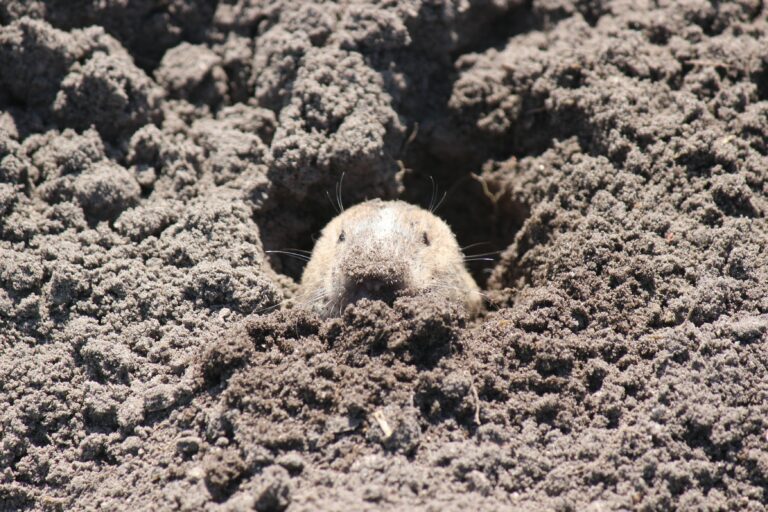
The most obvious sign of mole activity is the appearance of molehills, where soil is pushed to the surface as moles create underground tunnels. You may also notice raised runs, areas of soft or spongy ground, or repeated new molehills appearing across your garden, parkland or other outdoor space.
Why Are Moles Considered A Pest?
Moles are naturally occurring wildlife, but their tunnelling can cause significant problems where they become established in gardens, sports grounds, parks, agricultural land and other managed areas. Their activity can damage lawns and plants, disturb soil, undermine surfaces and create trip hazards.
Can Moles Damage My Garden?
Yes. Mole tunnelling can disturb plant roots, damage lawns and create an uneven surface. Extensive networks of tunnels can also leave sections of a garden feeling soft or spongy underfoot. Molehills can quickly affect the appearance of otherwise well-maintained gardens.
Can Moles Damage Paving And Other Surfaces?
Moles can tunnel beneath paving, paths and other surfaces, potentially disturbing the ground underneath. If you notice molehills appearing close to patios, paths or other hard landscaping, professional assessment can help determine the extent of the activity.
How Quickly Can A Mole Problem Get Worse?
Mole activity can continue and expand if it is left untreated. Moles are capable of reproducing, so addressing signs of activity early can help prevent a small problem from becoming more established.
Are Moles Dangerous To People?
Moles generally do not pose a direct threat to people, but their underground runs can create hazards in certain environments. Collapsed or uneven runs may contribute to trips or twisted ankles, particularly where people regularly walk across affected areas.
Can Moles Cause Problems On Agricultural Land?
Yes. Mole activity can create a range of problems on agricultural land. Molehills can interfere with grass cutting and machinery, while soil brought to the surface can contaminate forage and affect its quality. Tunnelling can also disturb newly planted crops and encourage weeds.
Can Moles Be A Problem Around Livestock?
Mole runs can create uneven ground and potential trip hazards for livestock. On agricultural land, contaminated soil brought to the surface can also create concerns where it comes into contact with crops or animal feed. A professional assessment can help identify the appropriate control measures.
Should I Deal With Molehills Myself?
Removing molehills may improve the appearance of your garden temporarily, but it does not address the underlying tunnels or the mole responsible. If new molehills continue to appear, professional mole control can help identify the source of the problem and determine the appropriate treatment.
Can Pest ID Prevent Moles From Returning?
Mole control focuses on addressing active mole problems, but preventing future activity can be more challenging because moles naturally move through suitable areas. Pest ID can provide advice following treatment to help you manage the affected area and identify signs of renewed activity.
Find out more on our specialist Mole Pest Control page.
How Do I Arrange Mole Pest Control With Pest ID?
If you have noticed molehills or signs of tunnelling, contact Pest ID to arrange a site survey. Our team can assess the problem and advise on the most appropriate mole control solution for your property or land.
Call Pest ID today on 0800 955 0003 to discuss your mole problem.
EXCELLENTTrustindex verifies that the original source of the review is Google. Pest ID attended at short notice to treat a pest problem. Steve K was courteous and professional. I would recommend Pest ID.Posted on GoogleTrustindex verifies that the original source of the review is Google. Would 100% recommend this firm, had my solar panels bird proofed by Ian, lovely gentleman, excellent job done. On time, very helpful, down to earth and very reasonable prices!Posted on GoogleTrustindex verifies that the original source of the review is Google. Ian was very knowledgeable in carrying Pigeon Proofing My Solar Panels & very understanding when he had to make 3 site visits to ensure remaining Baby Pigeons had gone, I would have no hesitation in recommending Pest ID. With Thanks for a Job Well DonePosted on GoogleTrustindex verifies that the original source of the review is Google. Would highly recommend this company, Ian was courteous, polite and explained every aspect of the job to pigeon proofing our solar panels, he even fixed a loose roof tile he noticed. Great service!Posted on GoogleTrustindex verifies that the original source of the review is Google. We have a portfolio of property across London and have used Pest ID for a number of years to tackle rats, mice, wasps, ants, etc. They are very professional, responsive, helpful, and always get the job done. We would thoroughly recommend them to anyone needing Pest treatment.Posted on GoogleTrustindex verifies that the original source of the review is Google. I contacted Pest ID re possible bedbugs (unfounded as it turned out!) and spoke with Ian (technician) and Jo (office manager), both of whom were very calming and patient. They very clearly explained their procedures with a follow up email and expertly answered my questions. I felt greatly relieved and knew I was in safe hands. Terry came the next day and, after investigating, provided the reassurance I needed to confirm no bedbugs! He was very knowledgeable and kind, offering advice and made me feel very comfortable. I would have no hesitation whatsoever in recommending this exceptional company with such professional, caring and compassionate people.Posted on GoogleTrustindex verifies that the original source of the review is Google. A fantastic service. 5 stars just aren't enough. Spoke to the lovely Jo A, and I was just blown away by the customer service. Best way to describe this company is honest trustworthy and actually putting the customer first. They worked to not only solve my issue, but using the best method for me, they didn't push the most expensive service but also didn't just offer a cheap option that wouldn't work. Jo took the time to explain everything. She's a real credit to the team. I really cannot recommend Pest ID enough. If youre looking for an honest tradepersons who give a superior service stop searching. Thanks Jo!Posted on GoogleTrustindex verifies that the original source of the review is Google. Problem with pigeons roosting, called PestId, came before 9am next morning and quickly expertly and professionally within an hour. First class service. Use no othersPosted on GoogleTrustindex verifies that the original source of the review is Google. The technician attended on time, and was polite and very thorough. He also kindly moved the furniture back for me without being asked! Definitely comes recommended :)Posted on GoogleTrustindex verifies that the original source of the review is Google. Friendly, fast and efficient serviceVerified by TrustindexTrustindex verified badge is the Universal Symbol of Trust. Only the greatest companies can get the verified badge who has a review score above 4.5, based on customer reviews over the past 12 months. Read more