Rats are extremely resourceful, adaptable pests — and unfortunately, our homes offer plenty of opportunities for them to gain entry. Understanding how rats get into houses is the first step in preventing an infestation and avoiding costly damage, health risks, and disruption.
In this article, we’ll explain the most common entry points rats use, why your property may be attractive to them, and what you can do to reduce the risk.
How Do Rats Get Into Houses?
Rats don’t need much space to get inside — if they can fit their head through a gap, the rest of their body will usually follow. Below are the most common ways rats gain access to UK homes.
1. Gaps and Holes in Walls
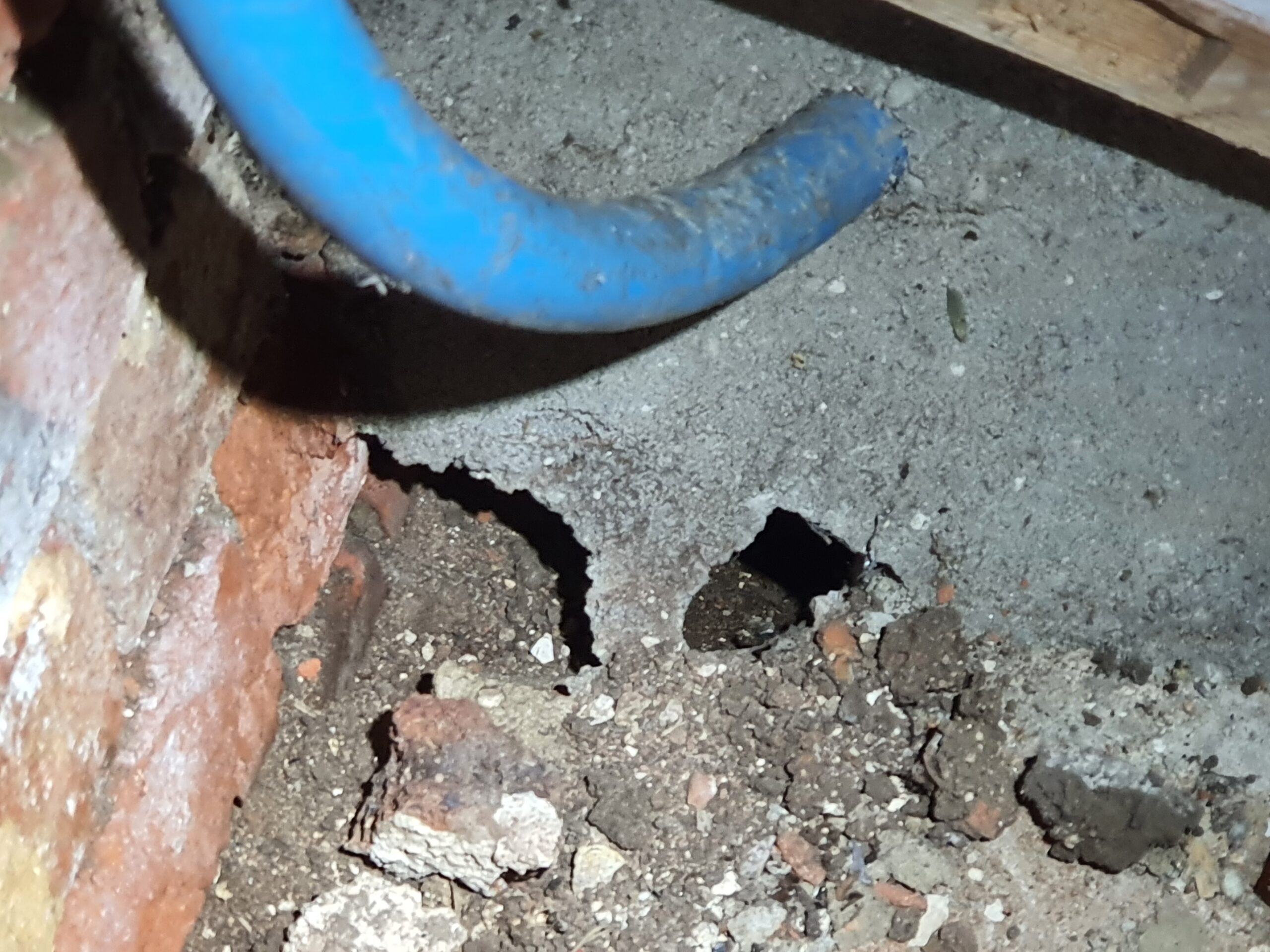
Rats can squeeze through holes as small as 2–3cm. Cracks in brickwork, gaps around pipes, broken air bricks, and poorly sealed extensions all provide easy access.
Common problem areas include:
Gaps around gas, water, or waste pipes
Crumbling mortar or damaged brickwork
Poorly fitted air vents or air bricks
2. Drains and Sewer Pipes
One of the most common entry routes in the UK is via the drainage system. Rats are excellent swimmers and can:
Travel through sewers
Enter damaged or broken drains
Climb up soil pipes
Access properties via toilets, sinks, or waste pipes (rare, but possible)
Cracked pipes or missing drain covers make this route especially attractive.
3. Doors, Windows & Poor Seals
Rats will exploit:
Gaps under external doors
Damaged door seals
Open or broken windows
Garage doors that don’t close flush to the ground
This is particularly common in older properties or buildings with worn fittings.
4. Roofs, Lofts & Attic Spaces
Rats are excellent climbers and can scale:
Brick walls
Drainpipes
Ivy and climbing plants
Fences and trellises
From there, they may enter through:
Broken roof tiles
Gaps in soffits or fascias
Poorly sealed loft vents
Once inside the loft, rats can go unnoticed for weeks or even months.
5. Under Decking and Extensions
Decking, sheds, and extensions provide shelter and concealment. Rats often:
Burrow underneath decking
Enter through gaps in suspended floors
Access cavity walls from ground level
These areas are warm, quiet, and often close to food sources.
6. Through Adjoining Properties
In terraced or semi-detached houses, rats can travel between properties via:
Shared wall cavities
Connected loft spaces
Joined drainage systems
This means even a well-maintained home can be affected if a neighbouring property has an infestation.
Why Are Rats Attracted to Houses?

Rats only need three things to thrive:
Food
Household waste and bins
Pet food
Bird feeders
Compost heaps
Food crumbs inside kitchens
Water
Leaking pipes
Standing water
Toilets and waste pipes
Garden ponds
Shelter
Lofts and wall cavities
Under floors and stairs
Sheds and garages
If your property provides even one of these consistently, rats may try to move in.
Signs Rats May Have Entered Your Home
You may already have rats inside if you notice:
Scratching or scurrying noises (especially at night)
Droppings in kitchens, lofts, or cupboards
Chewed cables, wood, or plastic
Grease marks along walls or skirting boards
Strong ammonia-like smells
Early detection is key — rats breed extremely quickly.
How to Stop Rats Getting Into Your House
While professional pest control is often required, you can reduce the risk by:
Sealing gaps larger than 1cm
Repairing damaged brickwork and mortar
Fitting metal drain covers and air brick guards
Keeping bins sealed and away from walls
Removing food sources from gardens
Cutting back ivy and climbing plants
Fixing leaking pipes promptly
Important: Blocking entry points without removing the rats first can trap them inside, causing further damage.
When to Call a Professional Pest Controller
DIY methods rarely solve the root cause of a rat problem. Rats are intelligent, cautious, and can quickly adapt to traps or poisons. Professional pest control ensures:
Correct identification of entry points
Safe and legal use of rodenticides
Prevention of re-infestation
Compliance with UK regulations
Summary
Rats can enter houses through surprisingly small gaps, damaged drains, roofs, doors, and shared spaces between properties. They are attracted to homes that provide easy access to food, water, and shelter, and once inside, they can cause serious damage and health risks.
Identifying entry points early and taking preventative measures is essential, but because rats are highly adaptable and breed quickly, professional pest control is often the most effective way to stop an infestation and prevent it from returning.
Call us today if you have any questions or concerns about rats gaining access to your property.